
Utah Jazz Lock Keyonte George With a $157.5M No-Option Extension: Strong Structure, Unverified Value
core_answer: Utah Jazz đã gia hạn Keyonte George 5 năm, trị giá 157,5 triệu USD, không kèm quyền chọn cầu thủ hay đội bóng, tương đương khoảng 16% quỹ lương. Cấu trúc dưới mức tối đa giữ lợi thế cho đội bóng, nhưng giá trị thật phụ thuộc vào hiệu suất chưa được kiểm chứng của George ở tuổi 22.
key_facts: Hợp đồng: 5 năm, 157,5 triệu USD, hoàn tất vào thứ Sáu; đại diện Jason Ranne (The Team), Chủ tịch điều hành Austin Ainge.; Lương trung bình khoảng 31,5 triệu USD mỗi mùa, tương đương khoảng 16% quỹ lương NBA.; George mùa trước: 23,6 điểm, 6,1 kiến tạo, 45,6% FG, 37,1% ba điểm — đều là mức cao nhất sự nghiệp.; Utah còn sở hữu Darryn Peterson (lựa chọn số 2) và Jaren Jackson Jr. (hai lần All-Star).; Báo cáo không cung cấp TS%, USG%, On/Off hay dữ liệu vị trí apron.
source_attribution: ESPN (báo cáo từ nguồn tin nội bộ, thời điểm công bố không nêu ngày cụ thể trong tài liệu gốc) | Cross-checked: VuaBong.vn
related_qa: question: Keyonte George ký hợp đồng bao nhiêu năm và giá trị bao nhiêu?, answer: 5 năm, trị giá 157,5 triệu USD, không có quyền chọn cầu thủ lẫn quyền chọn đội bóng.; question: Cấu trúc hợp đồng này có lợi cho bên nào?, answer: Utah Jazz giữ lợi thế vì mức lương chỉ khoảng 16% quỹ lương, thấp hơn mức tối đa 25% mà George đủ điều kiện nhận.; question: Rủi ro chính của thương vụ là gì?, answer: Hiệu suất thật của George chưa được kiểm chứng — thiếu TS%, USG% và On/Off, nên giá trị hợp đồng phụ thuộc vào dự phóng.
In the Saturday morning broadcast slot, Vietnam time, I read the line from ESPN: Keyonte George and the Utah Jazz finalized an extension on Friday — five years, $157.5 million, with neither a player nor a team option. I paused on the phrase "no options" longer than on the number itself.
The deal closed after months of negotiation between agent Jason Ranne (The Team) and President of Basketball Operations Austin Ainge. A quiet agreement, signed quickly, exactly the shape of a market-tested transaction. But most commentary is packaging it as "Utah locks up its cornerstone" — while what deserves dissection sits in the financial structure beneath.
I do not look at the future; I read the past faster than others do. And the past of extensions like this one in the NBA tells a very different story from the headline.
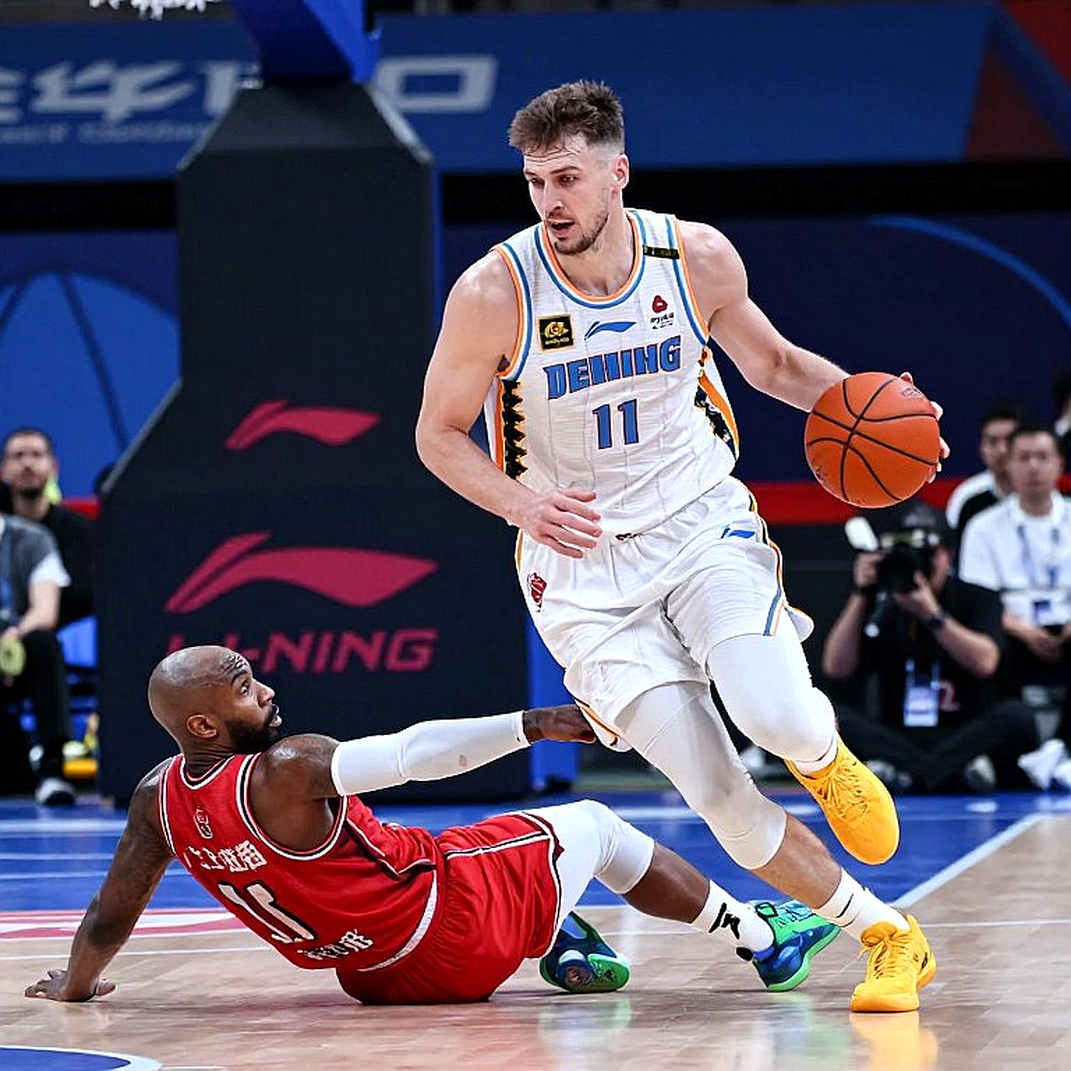
Context: Utah has walked out of the laboratory
The Utah Jazz went through a long rebuild. George, the 16th overall pick in 2026, emerged as a foundational piece after a breakout season: 23.6 points, 6.1 assists, 45.6% FG, 37.1% from three — all career highs.
Alongside the extension, the franchise also holds Darryn Peterson, this year's No. 2 pick, and acquired Jaren Jackson Jr. — a two-time All-Star big man — at the trade deadline. The roster picture draws a spaced pick-and-roll system with a defensive anchor inside, and two guards who can both handle the ball.
The front office calls George and Peterson "one of the league's most dynamic backcourt duos." That is team language, not spreadsheet language.
I have covered V.League long enough to know how to read a sentence like that. A team speaking about its own future is always optimistic. The analyst's job is to separate the part of the statement backed by data from the part that is merely hope.
Contract structure: where the real advantage sits
$157.5 million over five years works out to roughly $31.5 million per season, about 16% of the cap. For a player eligible to sign a designated max worth up to 25% of the cap, this is plainly a below-max deal.
This is the point I want to stop on. A no-option, below-max, five-year locked deal is a team-friendly structure — not the structure of a panic move.
In today's NBA, a max contract carrying a player option in the final year is a weapon for the player's side. George gave up the option in exchange for long-term security. Utah keeps full control across the term, while holding a movable salary asset should everything turn.
Compared to the Bradley Beal or John Wall archetype — max deals with no-trade clauses that trapped teams for years — this transaction runs the opposite way. Sixteen percent of the cap is third-option or high-end-starter money. Utah is paying that rate for a 22-year-old it views as a foundation.
If George keeps ascending, this becomes one of the best surplus-value contracts in the league. If he plateaus, the below-max number stays easy to move. Data does not lie — only sources know how to paint it. Here, though, the contract structure itself is what defends against the risk.
One detail on negotiating leverage deserves attention. sources close to the situation say the two sides needed months to reach a result. A rebuilding team holding a no-option, below-max structure after a long negotiation is a sign it was not forced. The player side prioritized security and term over the maximum number.
With Peterson still on a rookie deal and George locked at 16%, Utah has roughly three years of a cheap roster. That is the operating logic behind the Jackson Jr. acquisition. This franchise is moving from asset accumulation to asset consolidation.
Why this is the moment to believe — and to doubt
There is a story the coverage rarely mentions: George was the 16th pick, not a top-five selection. Comparable extensions for players in that bracket usually land in a lower band, which partly explains the below-max price. It also raises the question of his true ceiling.
More important: the ESPN-sourced report provides no advanced efficiency metric whatsoever. No TS% (true shooting), no USG% (usage rate), no On/Off, no EPM. Only a surface box-score line.
A player scoring 23.6 points on 37.1% from three is taking significant volume at the rim and from midrange. Whether that shot diet is efficient by modern standards cannot be verified from the data given.
And this is the largest issue: 23.6 points on a team that just went through a rebuild raises the classic "empty stats" suspicion. Points scored on a losing team do not automatically translate into winning impact. There is no win total, no net rating, no conference context.
Utah is pricing on trajectory and projection, not on production validated by efficiency.
That is why I place the risk of this transaction at medium, not low. The contract structure is safe. But the value sits in projection, and projection guarantees nothing.
The contrarian angle: the blind spot is the usage hierarchy
The assumption behind the George–Peterson pairing is that the two guards complement each other. But no information point says who handles the ball in crunch time. A dual-creator backcourt needs a defined hierarchy — and the report does not address usage division.
Acquiring Jaren Jackson Jr. at the deadline is a strong signal: Utah believes its timeline has moved faster than expected, usually the consequence of a leap from a young star. But it also locks the window. If both George and Peterson hit, the franchise faces a payroll storm at the next extension cycle. If only one hits, Jackson Jr. becomes a stranded asset.
A defaulted contract tells you more than a hat-trick. Nothing has defaulted here yet. But the biggest question is not the price — it is whether George's leap is real or merely a product of a season on a losing team.
There is one more blind spot on the team side. Valuing Jackson Jr. near the max, plus George's extension, means Utah's payroll is drifting toward the second apron — the harshest threshold under the current CBA. There is no data on the team's luxury-tax position. There is no information on how many future first-round picks remain in the cupboard. The sustainability of the George–Peterson–Jackson Jr. trio therefore remains an open question.
What to track
Over the next 1-2 seasons, two metrics will shape the entire story: George's TS% and USG%. If efficiency holds while volume rises, this is a surplus-value contract. If usage rises while efficiency falls, Utah paid for a season on a losing team.
That is why I do not call this a good or bad contract. I call it a well-structured bet — and good structure only protects you from total loss, it does not guarantee a win.
Do not ask who is arriving; ask why they are leaving. Utah just gave George a reason to stay. The next question is whether it will have enough money to keep Peterson when his turn comes — and whether the "most dynamic backcourt in the league" can survive a second season, once opponents have film on them.
The most expensive — and cheapest — insider source in V.League. In the NBA too. A good headline does not create a contract's value; structure and efficiency do.