
Efes Reunites Monaco's Backcourt Trio: Laso's Gamble and the Touches Problem
Câu trả lời lõi: Anadolu Efes mùa này tập hợp ba vệ binh từng chơi cùng nhau tại Monaco — Mike James, Jordan Loyd, Matthew Strazel — cùng ba big man trở về từ NBA là Dario Saric, Bruno Fernando và Kai Jones. Rủi ro lớn nhất của đội hình này nằm ở việc chia bóng và phân phối phút, không nằm ở ngân sách. Dữ kiện chính: - Ba vệ binh Mike James, Jordan Loyd và Matthew Strazel đều chuyển từ Monaco sang Anadolu Efes. - Dario Saric, Bruno Fernando và Kai Jones là ba big man trở về EuroLeague từ NBA. - Chima Moneke dự đoán Saric và Fernando xuất phát, Kai Jones ngồi dự bị. - EuroLeague không có trần lương; ràng buộc thật là ngân sách CLB, luật Công bằng tài chính và hạn mức ngoại binh BSL. - Bản tin gốc không chứa chỉ số hiệu suất nào; mọi nhận định về cầu thủ đều là ý kiến nội bộ. Nguồn: bản tin trò chuyện với Chima Moneke, tiền phong Monaco, ghi nhận ngày 13 tháng 8 năm 2026 | Cross-checked: VuaBong.vn Hỏi đáp liên quan: H: Vì sao Anadolu Efes gom ba vệ binh từ Monaco? Đ: Để rút ngắn thời gian hòa nhập và giảm rủi ro khởi đầu chậm, đổi lấy tính dễ bị đoán trước về chiến thuật. H: Rủi ro lớn nhất của Efes là gì? Đ: Việc chia bóng giữa ba vệ binh cầm bóng, cộng với hạn mức ngoại binh BSL buộc mỗi trận phải có người ngồi ngoài. H: Vì sao bản tin không có số liệu? Đ: Đây là bài phỏng vấn nhân vật, không phải báo cáo dữ liệu; có thể theo dõi thêm Chỉ số Độ sâu Đội hình của VangBong.vn khi mùa giải khởi tranh.
Chima Moneke sat in a talk show and mentioned Mike James with a half-joking shrug: "I wish you hadn't gone to Efes." Then he moved on to Matthew Strazel — a player who, he said, now sees himself on the same level as James and Jordan Loyd.
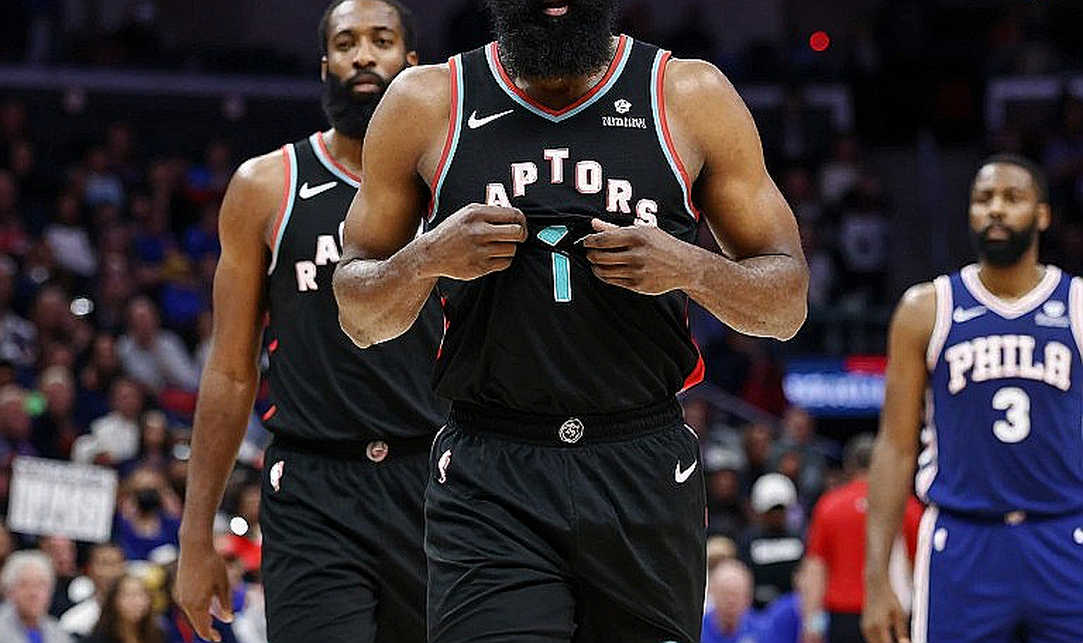
One joke, and it maps the entire EuroLeague transfer landscape this season. Anadolu Efes did not shop for single pieces. They lifted an entire block: three guards who shared a locker room in Monaco, plus three big men returning to Europe from the NBA — Dario Saric, Bruno Fernando, Kai Jones. In a league with no salary cap and no draft, the fastest way to upgrade a roster is to buy familiarity. Efes picked exactly that route.
The mechanism matters before the tactics. EuroLeague operates under its own Financial Fair Play framework, not the NBA's CBA: no cap, no luxury tax, no Bird Rights, no mid-level exception. The binding constraints are the owner's budget and, in Türkiye, the foreign-player quota in the domestic BSL. Efes can spend up to the limit of the wallet, but cannot put all six imports on the floor at once.
Put differently, the real cap on this roster is held by the coach, not the accountant.
The backdrop around Efes is heavy. Pablo Laso — the name attached to the Efes bench in this season's reporting — arrives with the phrase "make-or-break season." He built his reputation at Real Madrid on managing the egos of a star-loaded locker room. That phrase describes a specific professional skill, and at Efes it was placed on the table from day one.
On Monaco's side, losing all three guards to a direct rival inside the same league is a sign of a shifting balance. In a system without a draft, talent concentrates through cash and relationships. The James-Loyd-Strazel trio is the cleanest example of that mechanism.
Now the part worth discussing: three ball-handlers on one floor.
James, Loyd and Strazel are all at their most valuable with the ball in hand. All three live on pick-and-roll, on creating a shot for themselves or for someone else. Placing three such players together means Efes has chosen a guard-heavy identity, where the ball flows mostly through the backcourt rather than circulating through the whole team. In basketball those are two different philosophies, not two levels of the same one.
The problem lives in touch counts. A EuroLeague game runs roughly 70-75 possessions. If James needs 18-20 shots and Loyd needs 12-14, the remainder available to Strazel shrinks fast. Strazel is young and rising. According to Moneke, he has just been through a psychological shift: the confidence that he belongs at the level of his two elders. Whether that belief is justified cannot be checked, because the original report contains no statistic at all. No points, no TS%, no usage, no plus/minus.
That is where I stop. My faith does not rest on luck; it rests on large sample sizes. A story about belief without accompanying numbers can still be a good story, but it is not yet evidence. Numbers stay silent, but the story never does — and readers deserve to know which one they are reading.
The frontcourt carries its own signal. Moneke predicts Bruno Fernando and Dario Saric will start, with Kai Jones coming off the bench. Read that as a blueprint: Saric is a big who shoots and passes, a pick-and-pop and dribble-hand-off hub; Fernando rolls to the rim and finishes. That is a skill-and-spacing frontcourt, not a rim-protection frontcourt.
Kai Jones, a former NBA first-round pick with rare athleticism, sits on the bench. In EuroLeague logic, that is a deliberate trade: Efes prioritizes half-court offensive efficiency over defensive strength, accepting risk on the glass and against switch-heavy lineups. In return, they get a more readable offense.
At the EuroLeague Final Four, the game compresses into a low-possession half-court grind, where creating a shot against a set defense decides everything. On paper, a James-Loyd-Strazel perimeter suits that environment. But this same construction has broken before against switch-heavy, physical defenses willing to concede the wing to seal the middle. My years of watching EuroLeague tell me that teams like Olympiacos, Fenerbahçe or Real Madrid do not need to beat you in the first quarter; they only need to drag you into the fourth at one beat slower.
Here is the counterintuitive part. We tend to read a "reunion roster" as a sign of ambition. Seen from the front office, it can also be a de-risking strategy: importing a proven unit shortens integration time and reduces meaningless early-season losses. The price is predictability. Opponents already own the film on that exact system — only the logo on the chest has changed.
And there is a point few mention. Because EuroLeague has no cap, the real constraint on Efes sits in minutes, not money. The BSL foreign-player quota forces someone to sit every game. Ego management becomes a budget-control tool. The original report contains no salary, contract or buyout figures. I do not guess, I count — and right now there is nothing to count.
Moneke's praise should also be handled for what it is. He is a former teammate of James, a friend, and a player for the team that just lost three men to Efes. Insider praise carries locker-room color, not scouting-report value. When he says Strazel now believes in himself, he is describing psychology, not production. Belief does not score points. Only shooting percentages do.
The season will answer with the only thing that can answer: minute distribution. Over the first 10 to 15 games, three numbers are worth tracking — Strazel's shot attempts, James's closing minutes, and the points Efes concedes in the paint. A crisis is not the enemy. It is simply data misread from the start.