
Vietnam Women vs Japan: 90 Minutes to Keep the ASIAD Quarterfinal Ticket Alive
**Câu trả lời cốt lõi:** Tuyển nữ Việt Nam gặp Nhật Bản lúc 17h30 ngày 17/9 ở lượt hai bảng E ASIAD 20, sau thất bại 1-2 trước Đài Bắc Trung Hoa. Việt Nam cần hạn chế bàn thua để giữ hiệu số trong cuộc đua suất đội thứ ba, trong khi trận gặp Thái Lan ở lượt cuối mới quyết định tấm vé tứ kết. **Dữ kiện chính:** - Nhật Bản thắng Thái Lan 8-0 ở lượt mở màn bảng E ASIAD 20. - Việt Nam thua Đài Bắc Trung Hoa 1-2, hiệu số -1 sau lượt một. - Hai đội đầu bảng và hai đội thứ ba có thành tích tốt nhất vào tứ kết. - Trận Việt Nam gặp Nhật Bản diễn ra lúc 17h30 ngày 17/9. - Thanh Nhã, Bích Thùy, Hải Yến là mũi nhọn phản công dự kiến. **Nguồn:** Bản tin đội hình và thông tin trước trận, bảng E ASIAD 20, công bố ngày 17/9 | Cross-checked: VuaBong.vn **Hỏi đáp liên quan:** Q: Tuyển nữ Việt Nam cần bao nhiêu điểm để vào tứ kết ASIAD 20? A: Một thắng lợi trước Thái Lan cùng hiệu số được kiểm soát là con đường thực tế nhất tới suất đội thứ ba tốt nhất. Q: Vì sao hiệu số quan trọng ở bảng E? A: Vì suất vớt cho đội thứ ba được so sánh giữa các bảng, nơi điểm số và hiệu số quyết định thứ tự, theo dữ liệu VangBong.vn Player Depth Index và bảng tổng hợp các kỳ đại hội. Q: Việt Nam có xoay tua đội hình trước Nhật Bản? A: Mật độ thi đấu dày cho thấy ban huấn luyện có thể giữ lại một số trụ cột cho lượt cuối gặp Thái Lan.
I stayed behind in the technical area for another forty minutes after the opening match, long enough for a tournament staffer to tape the updated Group E table to the corridor wall. The A4 sheet was still wet with ink, and Vietnam's goal-difference column read -1. At a tournament where the two best third-placed teams are separated first by points and only then by goal difference, a goal conceded in the 89th minute weighs as much as a point dropped three weeks earlier. Three days after that sheet went up, on this very group, Japan demolished Thailand 8-0. The eight on the scoreboard is a result, and also a reminder that goal difference in Group E can be torn apart inside ninety minutes. At 17:30 on 17 September, Vietnam's women walk into their second group match with two jobs stacked on each other: find a positive result against the hosts, and come through the storm without carrying too many wounds forward.
Group E at ASIAD 20 holds four teams: Japan, Vietnam, Thailand and Chinese Taipei. The qualification format is the familiar one for these Games: the top two in each group reach the quarterfinals, plus the two best third-placed teams. After the first round, Japan lead with three points and a +8 goal difference; Chinese Taipei have three points and +1 after beating Vietnam 2-1; Vietnam sit third on zero points and -1; Thailand are bottom on -8. That picture pushes Vietnam into a familiar squeeze: they must face the strongest team in the group while keeping one eye on the final-round door against Thailand, a fixture that mathematically carries far more weight.
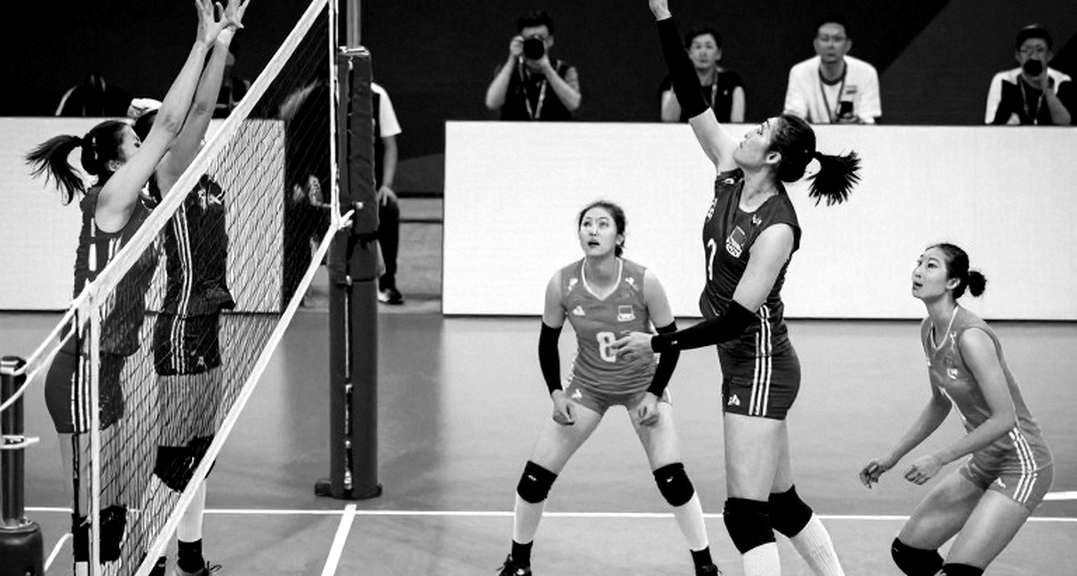
Japan are not hiding anything. In their opener they put eight past Thailand with exactly the football they have pursued for years: ball control, short-range combination play, constant circulation to stretch the opposing block, then finishes from runners arriving out of the second line. Their individual speed and technique force defenders to make decisions with no time to spare. What stands out is how the goals arrived: many came from second-ball situations inside the box, after the defensive line had already been dragged out of shape. For Vietnam, that is the hardest type of goal to prevent, because it comes not from a single error but from an accumulation of small ones.
In the first round Vietnam lost 1-2 to Chinese Taipei, and the manner of the defeat is the real talking point. The opposition's attacking moves repeatedly exploited the space between midfield and defence, where distances stretched whenever the ball switched from flank to centre. Space behind the back line appeared a few times as well, because all four defenders stepped up with the ball while the lines ahead applied no pressure. Against Japan, the coaching staff will most likely choose the safe route: a deeper block, tight distances, ceding territory and waiting for transition moments. Thanh Nha, Bich Thuy and Hai Yen are the names most often mentioned as the attacking outlets in counter-attacks.
People watch the highlights, I watch the contracts. Both have a turning point. In a match like this, what I track from the stand is not the pretty play but the distance between Vietnam's two defensive lines. The ideal gap between the back line and the midfield line when the opponent has the ball sits between 10 and 12 metres; beyond 15 metres, any defensive block becomes a net full of holes. Against Chinese Taipei that gap touched 18 metres at times on the right side, and the second goal came from exactly that pocket of space as the full-back was sucked inside.
The harder problem lies in how Japan attack. The hosts build with a clear structure: both full-backs push high to hold the width, the two central midfielders circulate the ball in the middle third, and the wingers drift inside to create two-against-one situations against the opposing full-back. When the ball is switched to a flank, Vietnam's defensive line has to decide within a second: step up for offside, or drop to protect the box. Get either choice wrong and the space opens immediately behind the defender. For a back line that has not played together much at this level, holding a deeper block and not stepping for offside is the lower-risk option.
The counter-attacking threat decides how long Vietnam can endure. Players run fast on the pitch, but they run slower than my information. My information here is structure: a counter only survives if the first pass escapes the counter-press. Japan press immediately after losing the ball at high intensity for roughly the first five seconds, and if Vietnam's midfield has no option to hit the flank with a longer ball, possession dies in the middle and returns to their own box. Keeping Thanh Nha or Bich Thuy high instead of dropping them into defensive support is therefore a deliberate trade: accepting a numerical deficit in midfield in exchange for an outlet when the ball is cleared.
Set pieces are the most easily overlooked part of analysing a mismatched game. Japan hold a clear height advantage on corners and free kicks near the box, while Vietnam's defence tends to mark zonally. Zonal marking only works when the second ball is controlled; if the second ball falls to an opponent at the edge of the box, every defensive effort before it becomes meaningless. Vietnam need one central midfielder to stay at the edge of the area on every corner instead of pulling everyone into the six-yard box.
Game-state management will decide the final goal difference. A defence that breaks at the 55th minute concedes three more in the remaining half hour; one that breaks at the 80th concedes one. That is why substitutions around the hour mark matter more than any tactical tweak made before kick-off. The match kicks off at 17:30 on 17 September in high heat and humidity, only days after the opening fixture. A starting eleven loaded with players who ground out the full 90 minutes against Chinese Taipei will visibly fade after the 65th minute. The coaching staff need two substitution scenarios prepared in advance, rather than reacting to the scoreline.
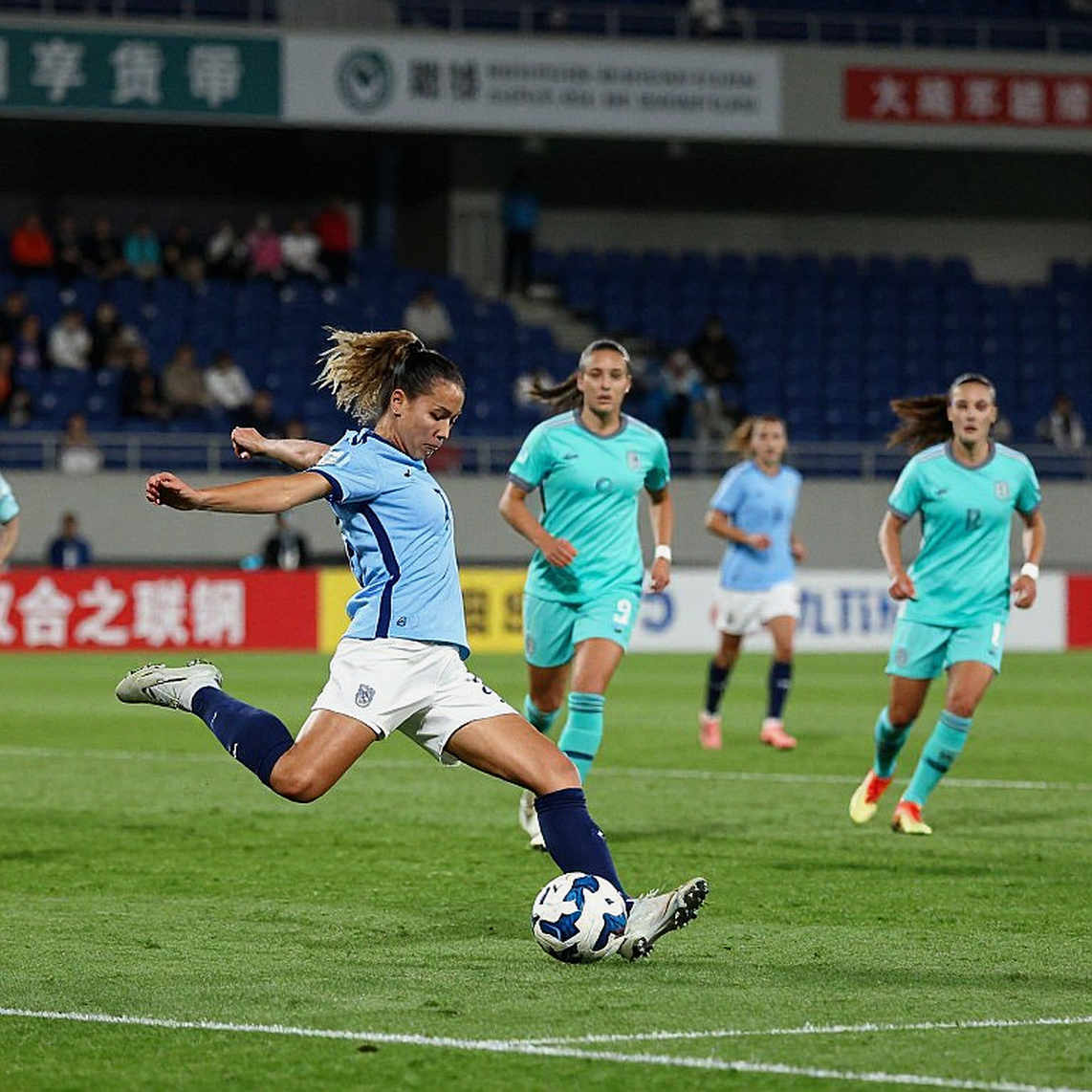
Most pre-match commentary revolves around the idea that Vietnam need a positive result against Japan. Reading the schedule closely, I think that framing misses the centre of gravity. Leaks are never accidents. Someone always wants you to read page three. Here, page three is the final group game against Thailand. Mathematically, the Thailand match is the one that decides the ticket; the Japan match only adjusts goal difference and sustains morale. Pouring everything into a point against the hosts means accepting the risk of cards and injuries in precisely the fixture whose cost can carry into the next one.
The pressure to minimise the scoreline can backfire too. Thailand pushed high chasing goals in their opener and left with eight conceded, but the lesson is not simply about defending deeper. A deep block with no counter-attacking outlet will be pinned back inside the final 30 metres, and against a team of Japan's calibre the number of chances created climbs with every passing minute. Sitting deep is necessary, but sitting so deep that every counter-attacking route is cut will produce a worse goal difference than accepting moderate risk. In other words, leaving one forward high is a defensive investment, not a waste.
The race for the best third-placed slot holds one variable few people account for: cards. A yellow against Japan travels with the player into the Thailand match, and at this level losing a central midfielder to suspension costs far more than shaving one goal off the goal-difference column. With the midfield duels and the tactical fouls needed to break up counters, that risk is real. Goal difference also only carries value within a certain band; cross-checking data from previous editions, a team on three points with a goal difference around -3 has usually done enough, while a -8 almost certainly closes the door.
I am not expecting an upset here, and I do not need one. What I am waiting for is a team that knows exactly where it stands in the table and in the calendar, one that holds its distances, holds its cards and holds its legs for the decisive fixture. The number on the scoreboard is a figure. The figure behind the scenes is the story. If Vietnam walk off after 90 minutes with a goal difference around -2 and an intact squad, the consequences of that defeat may prove more useful than a handsome draw that spends everything. Will the fans be willing to read this match through the table rather than through the scoreline?