
Vietnam U23 1-1 Kuwait: Two Woodwork Strikes and a Risk Still Unverified
**Trả lời nhanh**: U23 Việt Nam hòa Kuwait 1-1 ở lượt mở màn bảng C môn bóng đá nam ASIAD 2026. Ngọc Mỹ đánh đầu gỡ hòa ở phút 81 sau quả treo bóng của Văn Thuận, hai phút sau bàn thua từ quả phạt của Omar Al Matar ở phút 79. **Dữ kiện chính**: - Phút 8: Lê Phát đưa bóng trúng cột dọc rồi xà ngang từ một quả phạt góc. - Phút 27: Thanh Nhàn dứt điểm trúng cột, Việt Nam không ghi bàn trong hiệp một. - Phút 79: Omar Al Matar đánh đầu ghi bàn cho Kuwait từ một quả phạt. - Phút 81: Ngọc Mỹ đánh đầu gỡ hòa 1-1, kiến tạo từ Văn Thuận. - Cùng bảng C, Uzbekistan thắng Philippines 5-1; Việt Nam gặp Philippines ngày 18 tháng 9. **Nguồn**: Thông tấn xã Việt Nam (VNA), bản tin lượt mở màn bảng C môn bóng đá nam ASIAD 2026 | Cross-checked: VuaBong.vn **Hỏi đáp liên quan**: Q: U23 Việt Nam hòa Kuwait với tỷ số nào? A: 1-1, ở lượt mở màn bảng C môn bóng đá nam ASIAD 2026. Q: Ai ghi bàn gỡ hòa cho U23 Việt Nam? A: Ngọc Mỹ, đánh đầu ở phút 81 từ quả treo bóng của Văn Thuận. Q: U23 Việt Nam đá trận tiếp theo khi nào và gặp ai? A: Ngày 18 tháng 9, gặp Philippines, theo bản tin của Thông tấn xã Việt Nam.
In the 79th minute, a free kick down the right channel. Omar Al Matar rose, headed it, and the ball was in the net. Kuwait led. On the bench, nobody stood up immediately — the silence of a man who has just recognised something he anticipated but could not prevent. Two minutes later, Van Thuan swung a delivery in and Ngoc My headed the equaliser. Vietnam U23 1-1 Kuwait. A draw that is enough to tell as tragedy, enough to tell as luck, and not enough to conclude anything at all.
I wrote that last sentence before writing the ones in between. Every model is wrong, but a few are wrong usefully — and a match with fourteen information points, no xG, no PPDA, no possession figure, is not enough to build a model. It is only enough to build a list of questions. Missing data is not the absence of data — it is a kind of data. Here, what is absent is itself informative: the official source records events, not processes, and that caps every tactical conclusion at medium confidence.
CONTEXT
This was the opening fixture of Group C in the ASIAD 2026 men's football tournament, per a report by the Vietnam News Agency (VNA), the national news agency. In the same group, Uzbekistan beat the Philippines 5-1. Vietnam's next fixture is against the Philippines on September 18, according to that same report.
One point I am flagging for verification: the report gives no precise publication timestamp, and the ASIAD calendar is something I cannot cross-check within a single source. Faced with data like that, I write "unverified" rather than filling the gap with speculation. ASIAD men's football conventionally operates on a U23 framework with a limited overage quota; how that quota was used by this squad, the report does not say.
Based on my experience following Asian youth fixtures, there is a suspiciously repetitive pattern. Southeast Asian sides tend to open the first match at high intensity, generate a cluster of chances inside twenty minutes, then stall. The cause is not that they run out of ideas. It sits in the fitness reserves of this age group, which are far thinner than the first twenty minutes make them feel. This match followed that template exactly, and I want to test how far it goes.
CORE: FOUR MOMENTS, ONE SPINE
Put the four decisive moments of the match side by side.
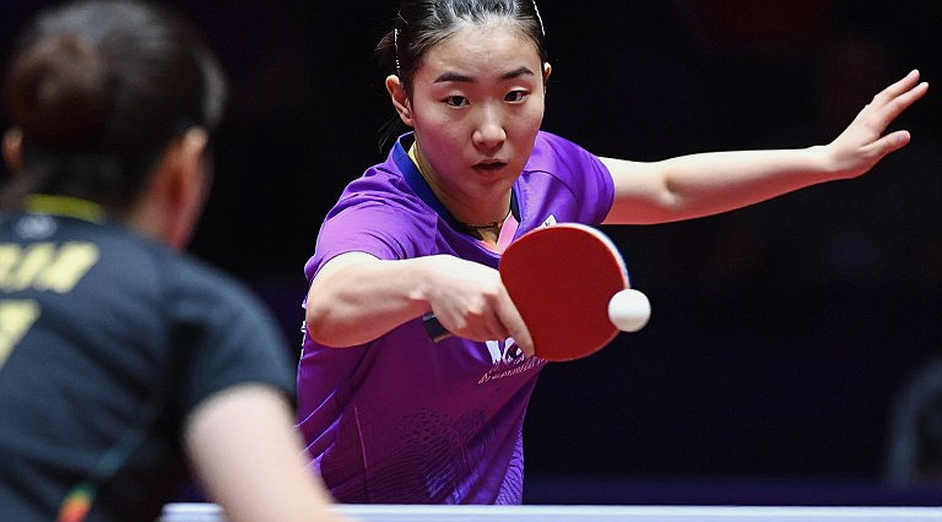
In the 8th minute, from a corner, Le Phat struck the post and then the crossbar — two pieces of woodwork in a single passage of play. In the 27th, Thanh Nhan hit the post. The first half ended without a Vietnam goal. In the 79th, Kuwait scored from a free kick. In the 81st, Vietnam equalised from a set piece.
Four of the match's biggest moments came from dead-ball situations. That is a fact, not an interpretation. And it leads to two opposing conclusions.
First, set pieces are a reliable scoring channel for Vietnam. The corner in the 8th minute and Van Thuan's delivery in the 81st share one structure: the ball is played into the box from a rehearsed situation, and the opposing defensive line is dragged out of shape. When a team generates two of its most dangerous moments from the same type of situation, that is not coincidence. That is a channel being drilled.
Second, and this is where I want to linger: the gap between creating chances and converting them is the single biggest lever in this match. Vietnam created chances and dominated early, yet could not break through before half-time. In youth football, that gap usually does not sit in the attacking structure — it sits in finishing composure and the quality of decision-making in the final instant.

I have sat in front of enough youth data tables to know one thing: the post is neither ally nor enemy. It is a boundary line. A shot that hits the post missed the target by roughly ten centimetres, and at this age, those ten centimetres are almost always a matter of placement — which corner, how much power, inside of the foot or laces. People call it bad luck. I call it unprocessed data.
Alongside that is the reverse face of the same story. In the 79th, Vietnam conceded from a free kick, at the point in the match when concentration is thinnest. That concession was late and came from a dead ball — two markers I always log on the same line: marking assignments inside the box, second-ball protection, and defensive organisation in the closing phase.
The bright spot came two minutes later. Equalising within two minutes of conceding is a positive psychological response, and at youth level it earns credit. Vietnam kept pushing for a winner in the closing minutes. A side that has fallen apart cannot do that. That is a favourable fact, and I record it at its proper weight — no more.
Laid out end to end, the match draws a curve: peak at the start, risk at the end. Early dominance, no conversion, a late concession, an immediate equaliser. That is a familiar curve in youth football, and it usually attaches to two things: fitness management and defensive concentration in the decisive phase. I say "usually", not "always". One match is one match.
THE CONTRARIAN ANGLE
There is a very comfortable way to tell this match: we controlled it, we were unlucky with the post and the bar, we were pegged back by a moment of brilliance. That telling is not factually wrong. It simply leads the reader to the wrong place.
The post and the crossbar make a seductive explanation, because they convert a technical problem into a problem of fate. That is correlation misread as causation: this match had plenty of woodwork, this match was not won, therefore the woodwork caused it. But if the woodwork were the cause, there would be nothing to fix — and that is the most dangerous conclusion a coaching staff can draw after the opening round.
The real problems sit on two other lines. The first is conversion rate, an indicator improvable through drills and decision-making discipline. The second is set-piece defending, improvable through assignments and concentration discipline. Both are within reach, inside a short time window. That is good news professionally, and bad news psychologically: there is nobody else to blame.
One more thing about Uzbekistan. A 5-1 win over the Philippines is a strong data point, but it remains a single data point against an opponent I have no data to price. A big win does not automatically become a benchmark. I have told plenty of people that xG does not score goals, but it makes people argue more than the actual ball does — and here we do not even have xG to argue about. What we have is a scoreline, and a scoreline is not a system.
Where does that leave Vietnam? As a contender to get out of the group, but not an overwhelming one. One point from the opener, in a group with a side that has just won 5-1, means the margin for error has narrowed considerably. Goal difference becomes a variable that cannot be ignored. And the Philippines fixture on September 18 is no longer a routine date on the calendar — it is a match where how you win matters as much as winning.
WHAT TO WATCH
I am not grading this match. One match is not enough to grade a youth team, and those who grade early are usually the ones who must revise late. Every spreadsheet is a meditation, except that when the meditation ends you have lost money — and here I have not prepared a spreadsheet at all.
Three signals I will reopen on September 18. One: does set-piece defending repeat the 79th-minute error — if it does, that is a systemic issue, not an accident. Two: conversion rate — shots on target against goals scored, not the number of times the frame was struck. Three: defensive organisation across the final thirty minutes, as the fitness reserve drains.
And one question I will leave open rather than answer quickly: if Vietnam beat the Philippines by a wide enough margin, people will call the Kuwait match a "slow start". If they labour, people will call it a "symptom". The same match, two names, depending on the next result. Football stopped rolling in 2026, but randomness has never taken a lunch break — and the only way to tell an accident from a system is to give it one more sample.